
Uncorking South America

Why combine Argentina and Chile for a wine adventure

A location at the end of the world, where the landscapes range from dry desert to the towering mountain peaks of the Andes, might not sound like perfect vineyard conditions. But anyone familiar with a glass of fine Argentinian malbec or an elegant Chilean cabernet sauvignon, will know that these neighbouring countries know a thing or two about making wine.
Both countries have a winemaking heritage that dates back centuries and have a knack for effortlessly blending old world charm with new world ingenuity. Today, Argentina is 5th in the world’s wine production and Chile is 9th, just ahead of Portugal, and both have reputations as major players and producers of some outstanding wines.
And South America’s top two wine-producing countries have more in common than making world-class wines. Breathtaking landscapes, vibrant cultures and fascinating, seductive cities, make them a perfect pairing for oenophiles and culture vultures alike. Let’s uncork the reasons why these two South American gems are a perfect match for your next wine odyssey.
Introduction to Argentinian wine

What sets Argentina apart as a winemaking powerhouse is its unique combination of high-altitude vineyards, abundant sunlight and fertile plains. Many of the vineyards are located at elevations ranging from 2,000 to 5,000m above sea level, where intense sunlight, cool temperatures and well-drained soils create the perfect conditions for grape cultivation.
Your preference for style and grape variety will dictate Argentina’s best wine region to visit. If perfection is a full-bodied malbec, Mendoza is the heart of Argentina’s wine industry and the unofficial world capital of malbec. Originally from France, malbec found its true home and flourished in Argentina's arid climate, where it captured the hearts of wine lovers around the world.

And Mendoza’s diverse terroirs are producing other varietals of exceptional quality, including cabernet sauvignon that easily competes with Napa, as well as syrah and some excellent cabernet franc. Just south of Mendoza, the picturesque Uco Valley has a well-developed tourism infrastructure, catering to the many wine-lovers who flock to the dozens of wineries and bodegas and some of the biggest names in Argentine wines. Malbec still dominates but the area also makes bonarda, syrah and some wonderful chardonnay.
Passionate about pinot? Argentina’s newest wine region is Patagonia, best known for its glaciers and wild coastline, and now a small but promising area of boutique wineries producing some outstanding pinot noir thanks to its cool climate and long sunlight hours. For a taste of Argentina's white wine prowess, look no further than the country’s other signature grape, torrontés. Indigenous to Argentina, this aromatic grape thrives in the stunning and rugged area of Salta and the Calchaquí Valley, one of the highest wine-producing regions in the world, with vineyards situated at altitudes ranging from 1,500 to 3,000m.
Chilean wine: a beginner's guide
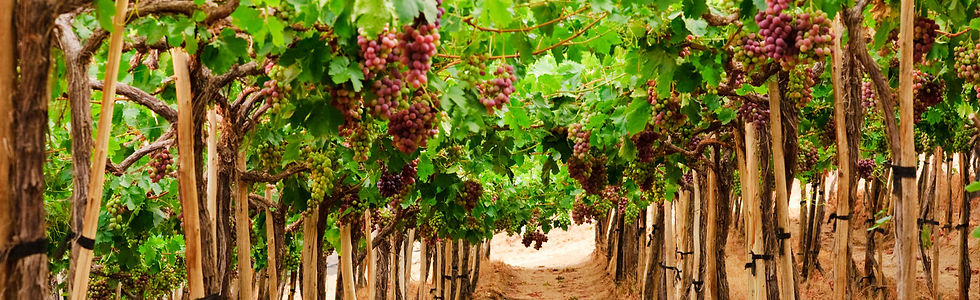
Sandwiched between the lofty peaks of the Andes and the Pacific Ocean on its other side, Chile’s terroir is a mosaic of microclimates, soils and elevations, which allow for different grape varieties to flourish. A dry climate with warm days and cool nights, ensures optimal ripening conditions, resulting in wines of exceptional balance, complexity and elegance. Chilean winemakers are pushing boundaries and challenge conventions around wine-making techniques and unusual varieties, pioneering sustainable practices in the vineyard and embracing new technologies in the cellar in their quest for excellence.
The grape that has become synonymous with the country's winemaking identity is carménère, where it thrives in the Mediterranean. But cabernet sauvignon remains the undisputed king of the reds, both in the sun-drenched vineyards of the Maipo Valley and the cool, coastal regions of Maule and Colchagua. Chilean cabernet sauvignon is similar to Bordeaux in style and is prized for its bold flavours, robust tannins and exceptional ageing potential, making it a favourite among wine enthusiasts worldwide.
In regions such as the Casablanca and Leyda Valleys, cool ocean breezes and misty mornings create the perfect conditions for producing crisp, aromatic white wines like sauvignon blanc. Good Chilean sauvignon blanc is well-balanced, with expressive fruit flavours and a distinct mineral character.

The perfect pairing: why combine Argentina and Chile
Oenophiles understand the value of tasting and comparing wines from different countries and regions to better understand and appreciate the same varietals grown in different places. Both countries are making wonderful wines that complement each other, and with flight times between Santiago and Mendoza of around an hour, it makes perfect sense to hop from Chile to Argentina or vice versa and combine the two.
Our top itineraries for wine tours
For the best wine tour of South America, we suggest starting in Santiago, Chile’s vibrant capital and gateway to the Maipo, San Antonio and Casablanca valleys. These regions are positively crammed with renowned wineries like Concha y Toro, Santa Rita and Barón de Rothschild and wine tourism is in full swing. From here it’s under an hour to the colourful, quirky Valparaiso, a bohemian city of cultural delights. Stay at WineBox, a funky hotel with an urban winery on site, where guests can help to crush grapes and sample wine from the barrel room. Visit an organic and biodynamic winery and enjoy a wine flight with chocolate!

Journey west to the Casablanca Valley, known for its crisp white wines and cool-climate vineyards growing a variety of white varietals including chardonnay and gewürztraminer. Around three hours south, the Colchagua Valley has one of the best wine routes in Chile with more than a dozen wineries open to the public. Stay in Santa Cruz, a charming city with colonial architecture, which makes a great base for exploring the region’s vineyards.
Returning to Santiago, it’s an hour’s flying time to Mendoza, a city with wine at its very heart. If you can’t wait to start, local bodegas offer tours, tastings and dinners to get you in the mood for the next few days. Around 20 minutes by car from downtown Mendoza is Luján de Cuyo, an area of both historical and ultra-modern wineries. Have lunch at Bodega Foster Lorca and taste some powerful malbecs, bonardas and even a sparkling moscatel.

Around 100 km south of Mendoza, is the Uco Valley, one of Argentina's premier wine regions, known for its high-altitude vineyards. Check out the glamorous, gastronomic hotspot that is Bodega DiamAndes, and its ‘landscape architecture,’ chic wine bar and award-winning restaurant.

Returning to Mendoza, fly to Buenos Aires and spend a day or two seeing the sights of the capital, with a tango show and dinner at a traditional milonga.
Other wine tour activities
The dramatic landscapes and natural beauty of Chile and Argentina have inspired wineries to get creative and come up with some inventive ways to showcase their terroir as well as their wines. You’ll find wine tours combining hiking, cycling and even horse riding, or fun ways to taste like a ‘pedal-bar’, while private guides will take you on day excursions into the high Andes taking in several local wineries.
Chile definitely knows how to do wine with a twist. Get yourself down to the Colchagua Valley, known as ‘the heartland of the cowboys’ and to Casa Silva, a wine estate that pairs wine with horses. Guests can watch Chile’s elite polo teams practise on its full-sized playing field from the comfort of a chic clubhouse restaurant, glass of sauvignon blanc in hand. Or visit the idyllic Santa Rita winery and discover carménère by carriage, enjoy a picnic or become a winemaker for a day and create your own blend. Serious connoisseurs can take a deep dive at some of the larger wineries, like Concha Y Toro, where they run sommelier classes, or indulge in a wine-pairing lunch with a view of the mountains.
Combine some stargazing with a drop of cabernet sauvignon in the Elqui Valley, where the Coquimbo Region is one of the main hubs for astrotourism and celebrated for its cabernet sauvignon. In the Casablanca Valley, visit the Santa Cruz Vineyard and enjoy a sunset wine-tasting, complete with cable car to enjoy the panoramic view over the vineyard and dinner under the stars as your host guides you through the wines and the constellations.

Tips to plan your trip
In the southern hemisphere, the seasons are a mirror image to those in the north so the best time to visit Chile and Argentina is between October and April. The spring months of October and November ought to guarantee good, pleasant weather while March and April offer fall colours and if you visit in February and March, you may catch Mendoza’s ‘Fiesta de la Vendimia,’ celebrating the grape harvest.
Most wineries sell their wines direct so check with your airline on your baggage allowance, as well as any customs duties that might be payable on your return. Alternatively buy a special bottle to savour on your hotel balcony as you look back on a wonderful trip and the memories made.
Let's go!
Raise a glass to South American wine and book your trip!


Comments